How Daily Cannabis Habits Shape Tolerance and Long-Term Effects
Tolerance is the body’s gradual “getting used to” THC, the primary intoxicating compound in cannabis. Over time, the same dose can feel weaker, leading some people to increase frequency, potency, or both—often without realizing they’ve shifted from occasional use to a daily routine. Public health agencies note tolerance and withdrawal can occur with frequent use and may be part of a broader pattern called cannabis use disorder when use starts harming work, relationships, or health.
Why tolerance happens (and why it feels like “chasing”)
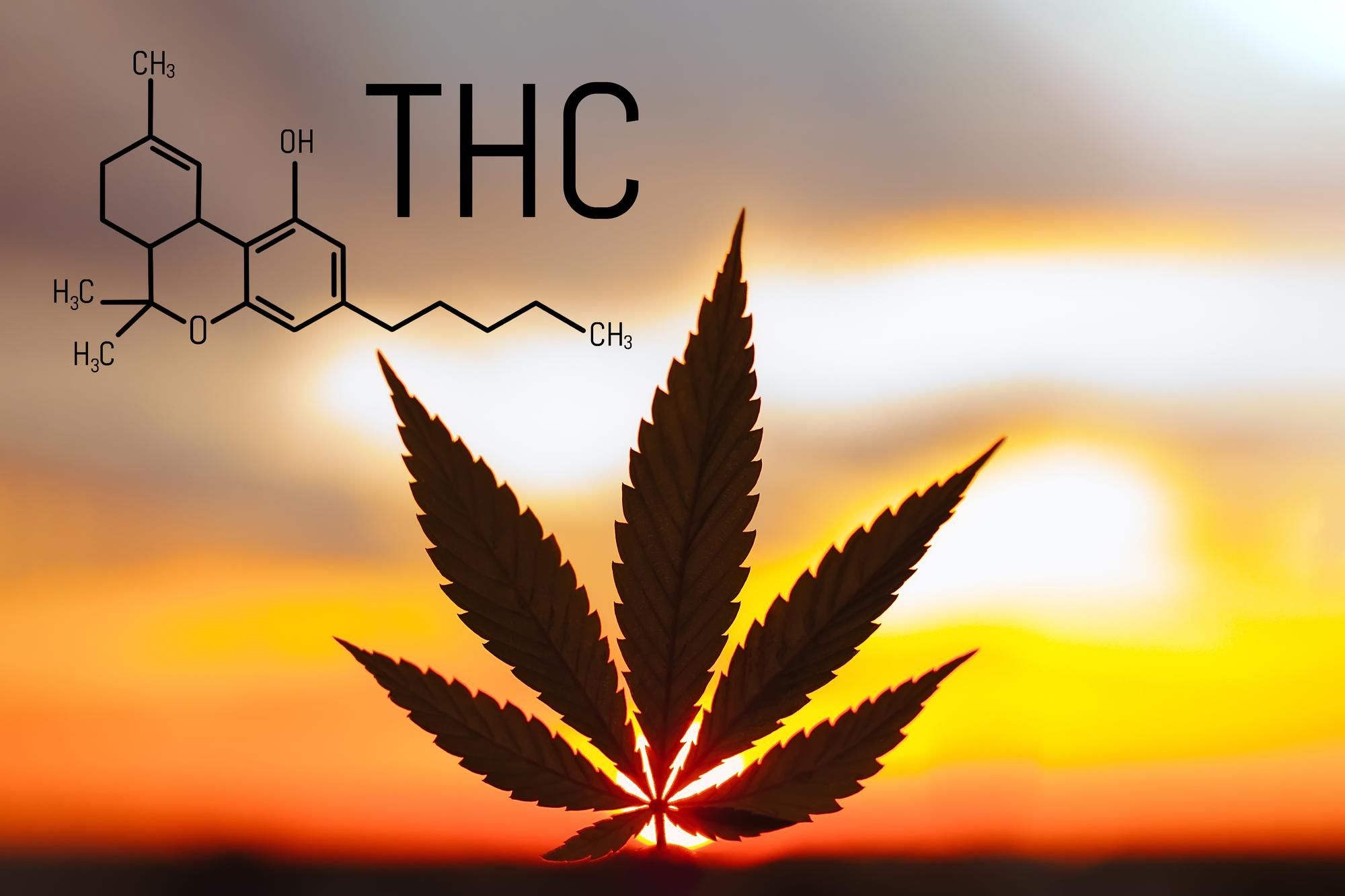
THC works largely by activating CB1 receptors in the brain. Human imaging studies have found that chronic, heavy cannabis use is associated with lower CB1 receptor availability and that these changes can reverse after abstinence. In everyday terms, frequent exposure can blunt the response, so the “first hit” feeling becomes harder to reach—especially if use is spread across the whole day.
How daily routines quietly raise tolerance
Tolerance rarely comes from one big decision. It builds from small, repeatable habits:
• Wake-and-bake use that becomes automatic, not intentional.
• “Maintenance dosing” (small hits all day) that keeps THC levels steady.
• Escalating potency (higher-THC flower, concentrates, bigger edible doses).
• Using cannabis as the default solution for stress, boredom, sleep, or pain—so there’s no true baseline day.
When tolerance turns into a trap, people may use more to feel normal, then feel irritable, anxious, or sleepless when they skip a day. A large meta-analysis estimated cannabis withdrawal symptoms occur in a substantial share of regular or dependent users. That discomfort can reinforce the routine: use → short relief → more use.
Routines that can lower risk without “white-knuckling”
Canada’s Lower-Risk Cannabis Use Guidelines emphasize practical choices that reduce harms, including avoiding frequent use and high-potency products. Translating that into routines can look like:
1) Put structure around timing
Choose specific “use windows” (for example, evenings only) and protect cannabis-free blocks (mornings, workouts, work hours). Fewer exposures per day generally means slower tolerance creep.
2) Try a planned tolerance break
Because CB1 receptor availability can recover with abstinence, many people find that even a short, planned break helps reset effects. If stopping suddenly feels rough, tapering frequency first (for example, eliminate daytime sessions, then every-other-day nights) may be more manageable.
3) Downshift potency and dose
Lower-THC products, smaller inhalations, or lower-dose edibles can reduce the “arms race” where tolerance drives potency, which drives tolerance. Keep a note on dose and effect so increases are a choice, not a drift.
4) Replace “cue → cannabis” loops
Identify triggers (after work, after dinner, before bed) and swap in a competing routine: a walk, shower, stretching, tea, journaling, or a short breathwork session. The goal isn’t moral purity—it’s giving the brain other off-ramps.
5) Keep safety habits consistent
Avoid mixing cannabis with alcohol or other intoxicants, and don’t drive after using. If you’re inhaling, consider that smoke and high-heat vapor can irritate airways; choosing lower-risk routes and taking fewer sessions can matter for day-to-day comfort.
6) Watch for warning signs
Needing more to get the same effect, using more than intended, spending lots of time using/recovering, or repeated failed cutbacks are red flags worth taking seriously.
If tolerance is colliding with daily life—or if you’re using cannabis to manage health symptoms—consider talking with a clinician who understands cannabis, especially before major changes to use.